
The EU’s Carbon Border Adjustment Mechanism & Fertilizer Prices: Separating Facts from Fiction
Industry representatives, several countries, and even a Commissioner have circulated alarmist claims over the past weeks that CBAM will massively drive-up fertilizer prices and farmers’ production costs, backed by inflated numbers. This has led to calls to suspend CBAM for fertilizers.

Source: Montel
A timeline: CBAM effect on fertilizer price
Numbers can be bent, narratives can be spun, but truth has a way of resurfacing — often after the damage is done. Below is a history of events, some fact-checking, and a call to Commissioners Hoekstra and Séjourné to protect European industry from misleading lobbying, especially when it comes from their own colleagues.
Spoiler alert: CBAM won’t increase fertilizers prices in Europe with 30%. Estimations are that CBAM will be around 7-8% of the total costs for fertilizer importers (Egyptian Urea, a very carbon intensive source). The idea of CBAM is to create a level playing field between European and non-European producers. So the 7-8% figure is not necessarily a direct price increase—it simply equalizes the competitive conditions.
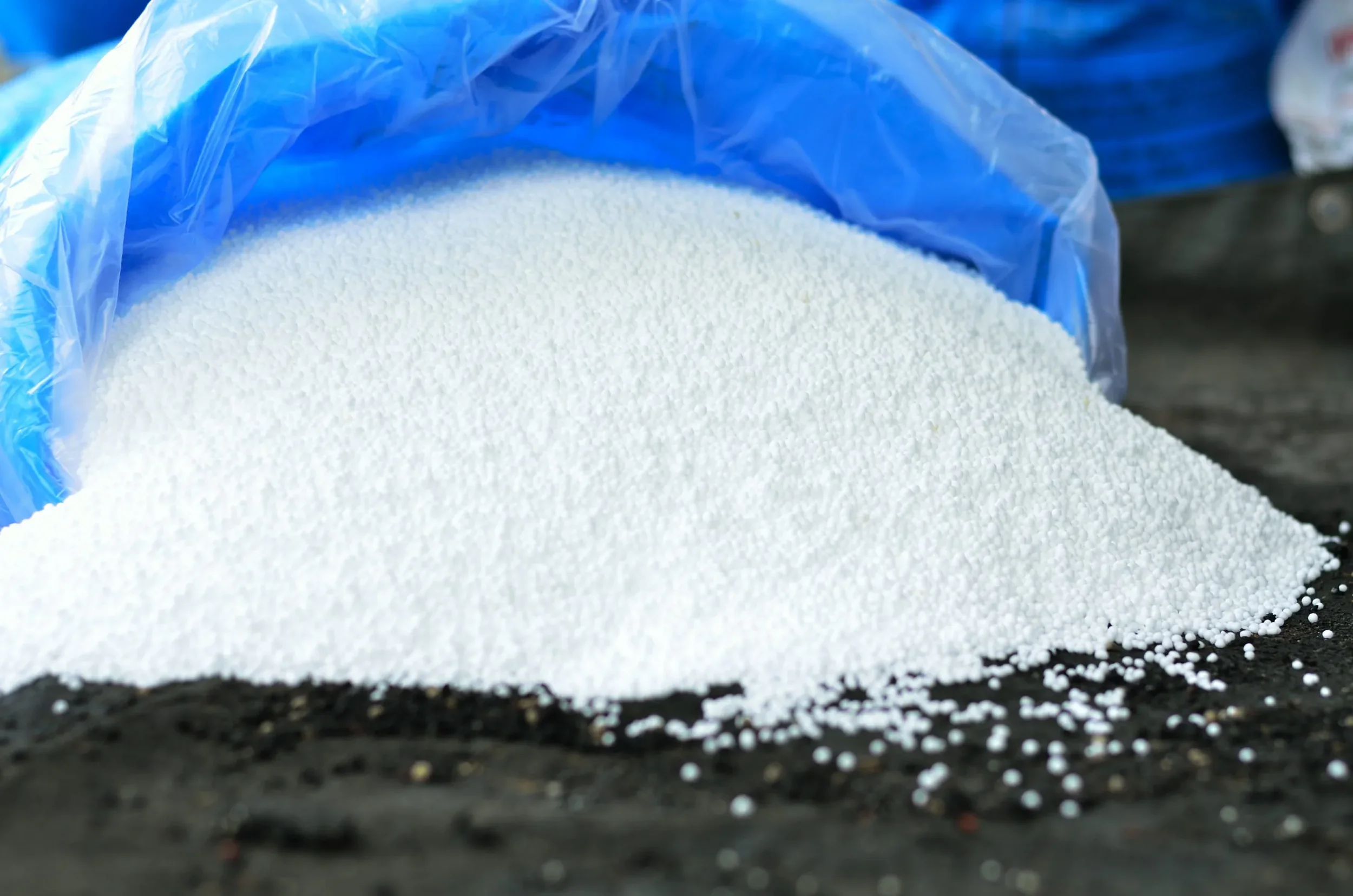
Urea fertilizer. Source: infinity galaxy
First an industry letter of 25 November stated that in 2026 CBAM could lead to 10 - 30% or higher increase in fertilizer prices in 2026, raising concerns because technical details about default values and mark-ups were not yet finalized. That is correct - the Commission was working until the very end to finalize the legislation. No one disagrees that this was last-minute and not ideal. However, for European producers, price impact is limited to the reduction of the 2.5% free allowance under the ETS and is therefore very small.
The Commission did take measures. It decided to set a mark-up for fertilizers of only 1%. This means that importers using default values (because they cannot yet report actual CO₂ emissions) will not be ‘extra punished’ by an upward adjustment. The Commission also considered other trade measures to alleviate potential cost increases, although these are outside the scope of this discussion.
source: Alain Jocard/REUTERS
French political pressure
Meanwhile, the French government provided a calculator on its website to estimate CBAM costs, including for fertilizers. However, in mid-December it had not yet incorporated the correct default values, leading to highly inflated estimations. The French government has now corrected the calculator, but the genie is out of the bottle.
A first letter from French Prime Minister Lecornu, sent on 4 January, requested a freeze or “neutralization” of CBAM for fertilizers. This was followed by press reports in Brussels: France and Italy asked the Commission to exempt fertilizers during an Agriculture Ministers meeting, citing an alarming 25% increase in fertilizer prices. Commissioner Šefčovič felt the need to respond in his press briefing after the Agriculture Ministry on 7 January, noting that the newly proposed Art 27a in the CBAM extension regulation from mid-December could be used for fertilizers- a huge political leap. The day after, DG TAXUD responded to all requests by publishing a Q&A on the newly proposed Article 27a.
First, this article still requires approval by the European Parliament and Council. Second, the Commission must conduct a proper assessment of whether serious and unforeseen circumstances exist.
Growing unrest built on false or missing data
As days passed, I received numerous calls and emails from CBAM stakeholders, all uncertain about the implications. Meanwhile, the press smelled red meat, and we were flooded with data and positions from industry, think tanks, and lobbyists. I am still waiting for the Commission to publish official figures.
The Council has not remained idle. Austria sent a letter 20 January stating a 10-15% price increase (for urea) due to CBAM. And press reports indicated that the list of countries requesting a suspension has grown to nine (FR, BG, HR, GR, HU, LV, LU, PT), still citing the 25% figure.
Meanwhile, France updated its website to show CBAM costs for each tonne of imported fertilizer: €41,96 (Egyptian urea as example, Egyptian default value minus 97.5% free allowances), using the ETS price, with a market price of € ~500-550 per tonne. Meaning CBAM represent 7,63% of the costs of 1 tonne of fertilizers. Note: We use Egyptian urea as an example based on French data, and referenced in the Austrian letter, as the EU imports the majority of its nitrogen fertilizers from Egypt (32%, June 2025 data). This source is relatively carbon-intensive.
Greening the fertilizer industry
But what does this mean for agricultural goods prices in Europe? We do not know yet to what extent importers will report actual data, will use more conservative default values or how they will pass the CBAM cost to their customers. This should not be described as a direct 7% price increase. Rather, it affects the importer’s margins, and it remains to be seen to what extent this will ultimately be reflected in the final consumer price.
European producers already price their products with the ETS cost included. Rather than implementing the most polluting production methods, companies are encouraged to seek cleaner alternatives, both inside and outside the scope of CBAM. Think tank Sandbag made some interesting calculations around this. Global grain prices have fallen due to good harvests and abundant supplies, so any price increase - big or small - is felt. Farmers’ concerns about income security are real and valid, and Europe should consider this carefully.
However, these discussions should be based on accurate numbers.
And yes, CBAM makes CO₂-intensive products more expensive - and that is precisely the goal. The price effect does not fully reflect the difference for European products that have already been paying a carbon price for years. CBAM incentivizes a shift toward greener alternatives in the fertilizer sector. This is not an unforeseen consequence; it is the purpose of CBAM: to make more polluting products less attractive and low-carbon alternatives more competitive.
Source: European Commission
Energy accounts for 70-80% of ammonia production costs, highlighting the importance of greener fertilizers. Europe has great potential for this, and big investments are made, driven by our own ETS. Currently, we have an undersupply in the EU, and we typically import dirtier - more carbon-intensive - fertilizers. We need a thriving European fertilizer industry that is cleaner and able to sell in Europe. Not my words, but Hoekstra’s, during the ENVI Committee this week - and I could not agree more. For this, we should also look at products down the value chain not yet covered by CBAM, especially while our chemical industry struggles to survive and as we work to boost hydrogen production in Europe. It is all interconnected.
Closing remarks
Talking about CBAM, we cannot focus solely on a few agricultural commodities experiencing temporary difficulties due to exceptional harvests - uncertainty in these areas will always exist.
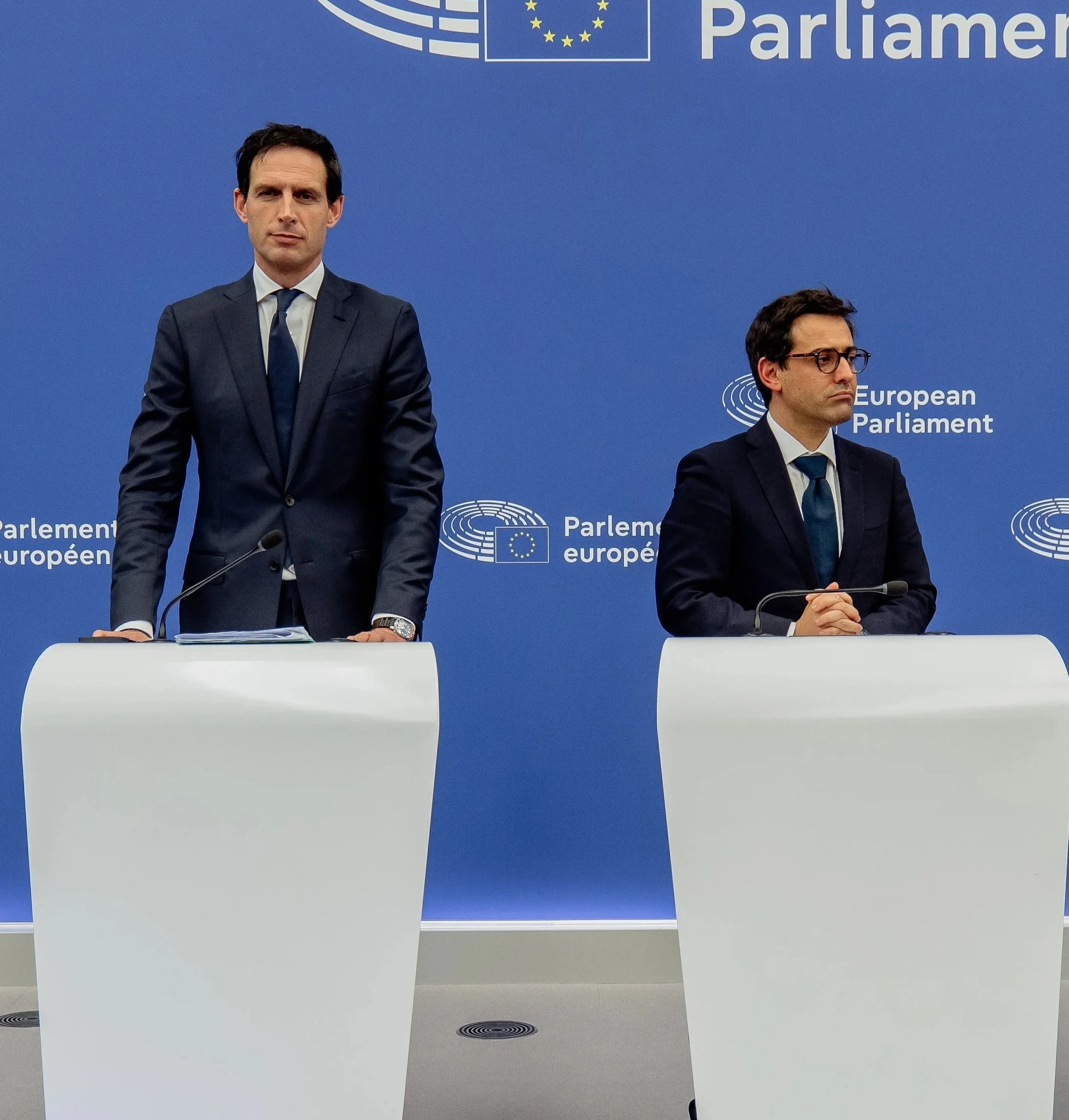
My final words are to Climate Commissioner Hoekstra and French Commissioner for Industry Séjourné: No system is perfect. But CBAM is worth defending because it encourages cleaner production and provides investment security to European companies leading the green transition. Without it, company boards may postpone investments in decarbonization projects.
And let me thank all the smart people who reached out to help me make sense of all of this.